
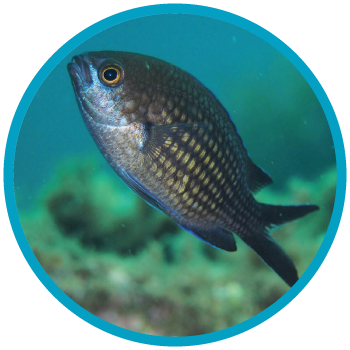





1. *Physical characteristics:* Castagnole have an elongated and stout body with silvery scales and distinctive marbling on the back and sides. Their size typically ranges from a few centimeters to several tens of centimeters, depending on the species.
2. *Habitat:* Castagnole are primarily found in shallow coastal waters, especially near rocky reefs, sandy bottoms, and seagrass beds. They are present in the Mediterranean and the Eastern Atlantic, but some species can also be found in other tropical and subtropical regions.
3. *Feeding behavior:* Castagnole are omnivorous fish that feed on a variety of foods, including small fish, crustaceans, mollusks, algae, and organic debris.
4. *Reproduction:* The spawning season of castagnole varies depending on the species and regions, but it usually occurs in spring and summer. Eggs are typically laid in shallow waters and fertilized by males before hatching into larvae.
5. *Fishing and cuisine:* Castagnole are often caught for recreational fishing due to their abundance in coastal waters. In cuisine, their tender and flavorful flesh makes them a popular choice, often prepared grilled, fried, pan-seared, or baked.
6. *Fishery management:* Like many marine species, effective fishery management is essential to ensure the sustainability of castagnole populations. Regulations such as fishing quotas, minimum size limits, and closed seasons may be implemented to protect fish stocks.
Castagnole contribute to marine biodiversity and play an important role in coastal ecosystems as both predators and prey for other species. It is crucial to manage their fishery sustainably to ensure their preservation for future generations.
Powered By 